Tim Auer
Soho, Manhattan
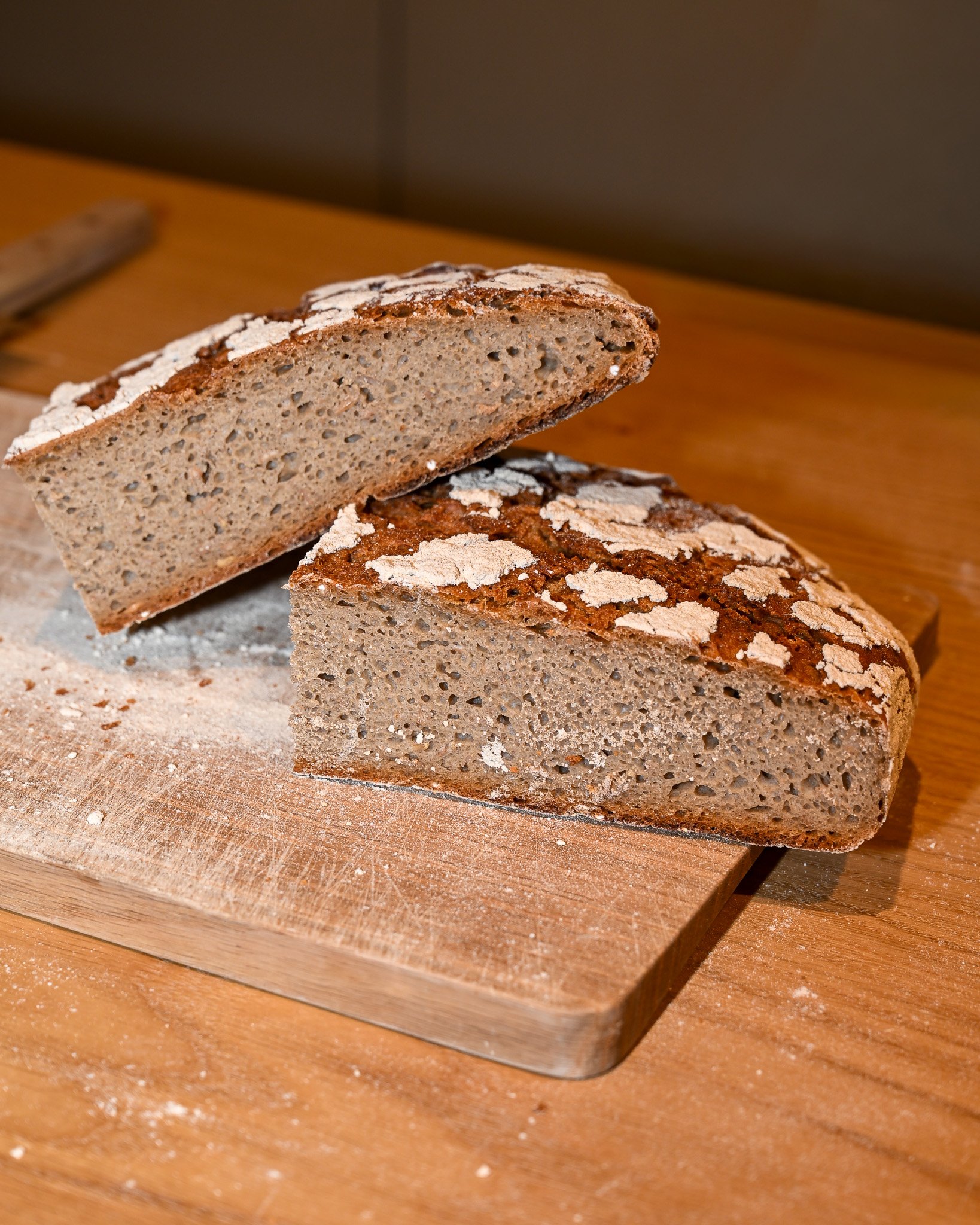
Is a $60 loaf of bread a sign of good taste, or have we officially lost the plot?
New York has never met an imported sensibility it couldn’t turn into a lifestyle. Between influencer-approved grocery hauls at Happier Grocer and VC-backed coffee chains like Blank Street taking over Manhattan, the city’s transplant culture has made a business out of selling the feeling of living well — and the West Village is practically its showroom. So when an Austrian family bakery crosses the Atlantic to sell a single loaf of rye for $60, it’s worth asking: are we paying for the craft or for the idea of it?
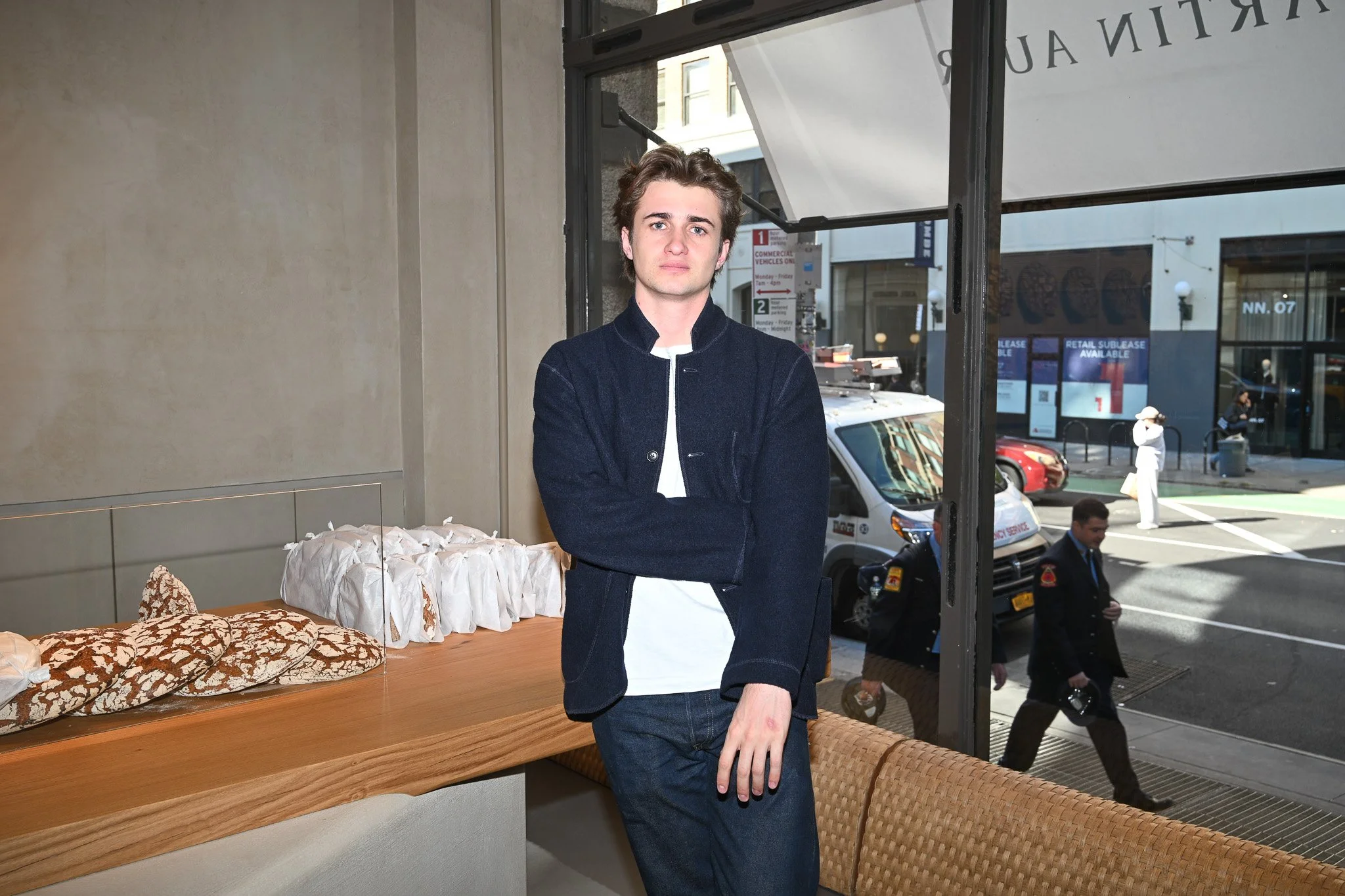
We sat down with 23-year-old Tim Auer, the point person behind bringing his family’s baking tradition to New York, to talk about why RYE refuses to compromise on a loaf that, on paper, sounds pretty simple. When does paying more for the real thing reflect genuine craft, and when does it become part of the culture of expensive things? Read on to hear Auer make the case for the loaf.
Full Name, Age, and Where are you from?
Tim Auer, 23, from Graz, Austria.
What is your title at RYE?
I'm the representative of the family company here in the U.S. I moved to New York a year and a half ago in order to support the opening of the store and have been involved in everything on-site for RYE, from the buildout to the team.
What inspired you to get into this industry?
My family has been doing it for a long time; my father [Martin Auer] is a third-generation baker, and the third generation to run the Austrian family company, so I grew up around the business from a very young age.
The United States has a pretty serious relationship with sourdough bread. Why focus on rye bread specifically?
Rye is deeply rooted in our family and in Austrian and Central European bread culture. It is what my grandfather built much of our family’s baking tradition around, and something we have continued to work with for generations. Rye also has a very particular relationship with sourdough - traditionally, fermentation was not just a choice but essential to making rye bread. For us, bringing RYE to New York is about sharing that tradition in a very focused way.
Why is this the right time for RYE, and for Martin Auer and the family to be coming to the U.S. and New York?
We have wanted to come to New York for a very long time, but we did not want to come here simply to recreate what we already do in Austria. We wanted to bring one product that really represents our family and what we believe in. RYE felt like that product. At the same time, I think there is a growing appreciation for things that are made with real care, where you can understand the ingredients, the process, and the people behind them. RYE is very simple in that sense, but there is an enormous amount of craft behind that simplicity. For us, this felt like the right moment and the right city to share it.
What is the best bread service you've had at a restaurant?
I do not think I have one specific bread service that stands out above all others. What I always appreciate, though, is when bread is treated as an important part of the meal rather than just something that arrives on the side.
What is it like going into the family business and working so closely with your father?
Both my father and my mother are deeply involved in MARTIN AUER, so I have grown up around the business my whole life. In that sense, working together feels very natural to me. I really enjoy learning from both of my parents, but also from all the other people in the company who have been part of the business for many years and bring so much experience with them.
If it was somebody's first time at RYE, what would you say are the must-order items or dishes?
I feel like it keeps changing. On the sweet side, it's Apricot ON RYE, which is simply high-quality butter and jam. It's amazing. It's something that I ate a lot when I was growing up, even with the same Austrian apricot jam [Staud’s] made in Vienna. On the savory side, I like the very simple ones, like the Butter & Chives, or the Roe ON RYE, which has a spread of butter and a pile of salmon roe.
This is the first American location you've worked on. What are some of the lessons you've learned from opening an American-based location compared to operating in Europe?
It's been a ride. There's so much involved here that we didn't know. In Austria, there are 42 stores, so opening a new one is at least somewhat routine. But in New York, it's not only the physical distance to Austria—we’ve imported so much of our equipment and ingredients from Austria—that is challenging. There is the challenge of introducing RYE and hiring people in a city where you're not known. Thankfully, we’ve been quite successful at finding the right people to work with and finding amazing partners, because you can't do it all by yourself, including the people who have been involved from Austria and the many in New York—whether that's suppliers or people involved in the buildout and so on.
What restaurant, café, or bar do you find yourself frequenting most after work?
I love Balthazar, which is just a few-minute walk from RYE. It's been a very special place, as are Pastis in the Meatpacking District or Malatesta in the West Village. I also like the bars and restaurants in Dimes Square, like Time Again.
How do you relax outside of work?
I like spending time with friends and meeting new people, usually over dinner or drinks. When I have the time, I also like running along the West Side Highway or doing some kind of sport. And I really enjoy biking around New York. Citi Bike is probably my favorite way to get around when the weather is good because you actually get to see and experience the city rather than being underground on the subway.
And lastly, you know we have to ask. How do you justify the $60 price tag that has been a bit controversial, to say the least?
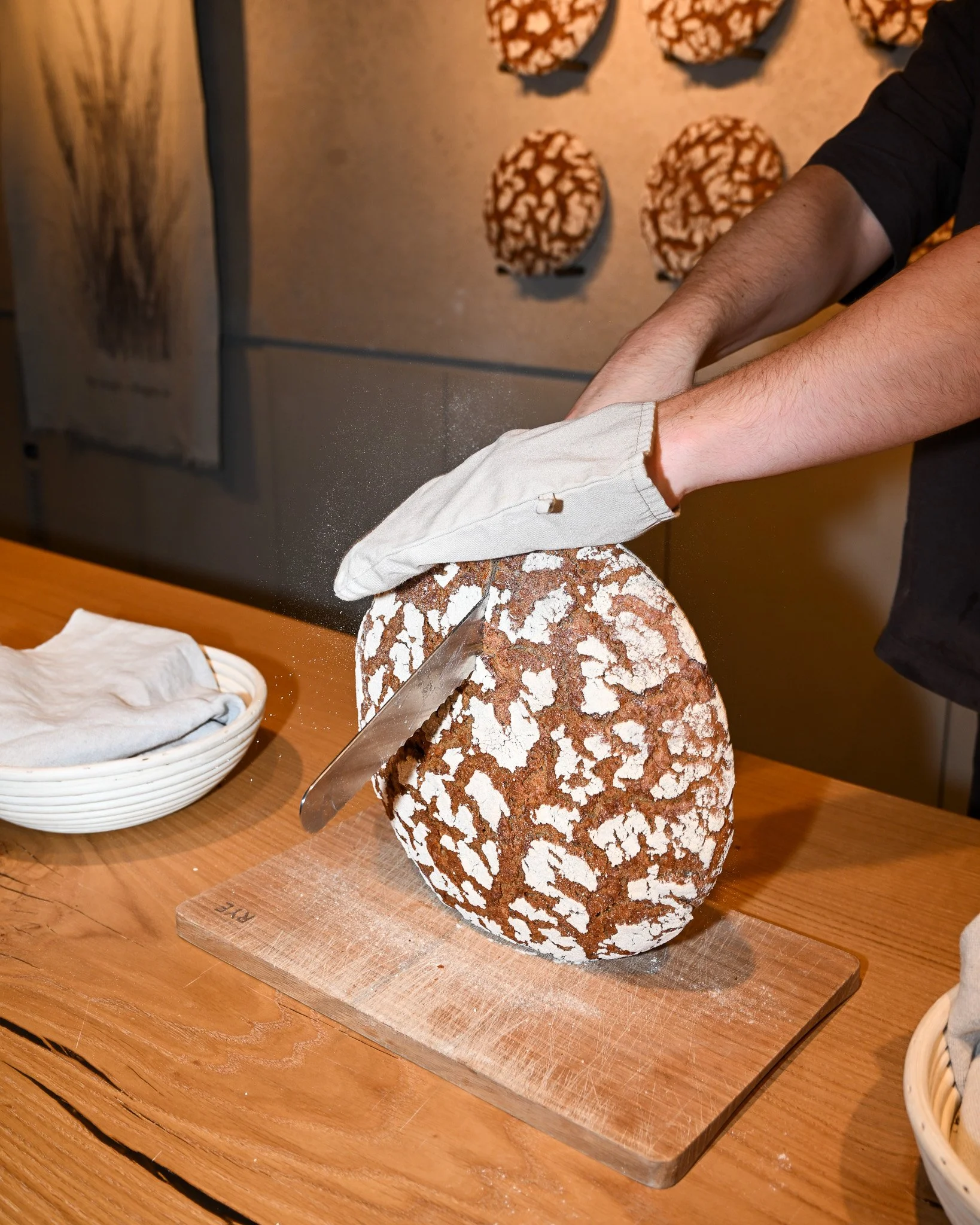
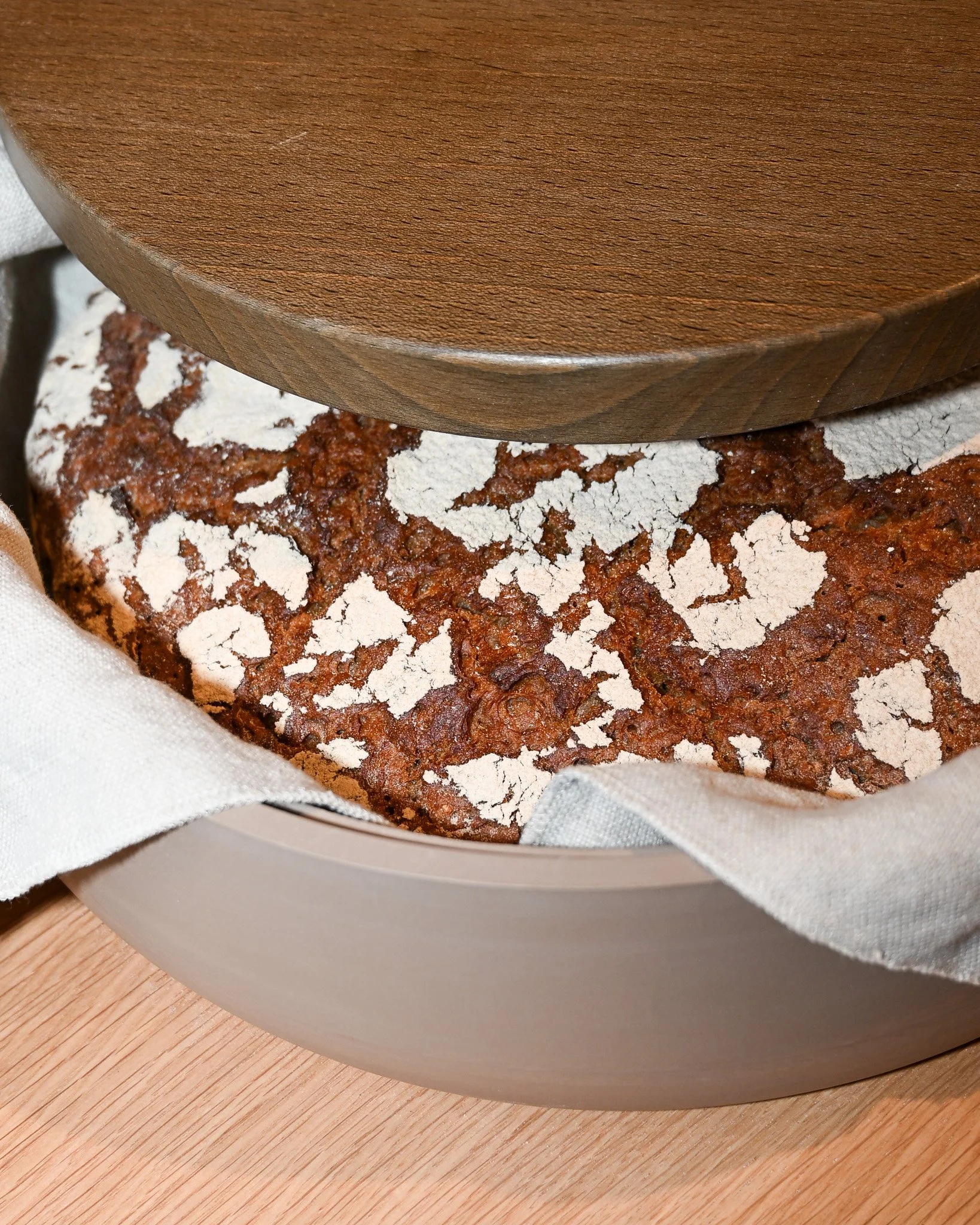
We are very proud of our family's signature loaf and its place in our story as bakers. I can say simply, that the loaf is exactly the same, whether made in Austria or by hand each morning in RYE on Lafayette Street. In Austria, our fields and millers are close by, and we benefit from greater volumes across 42 shops. The rye is grown in Austria’s long-established tradition of organic farming, milled in Austria and shipped to New York, where our Master Baker Alex works to ensure the bread is made to the exact same standards and to train the next generation of bakers.
The full loaf costs $60, but the quarter loaf at $15 offers a more accessible way for one or two people to enjoy the bread over multiple days; the price reflects the very different realities of producing and selling it in Austria and New York. We understand that even $15 for a quarter loaf will seem a great deal to some, and we do not expect everyone to agree on its value. We believe that food grown in healthy clean soil, made from pure ingredients and free from preservatives and unnecessary additives is not a luxury to be taken lightly, but a standard worth protecting.