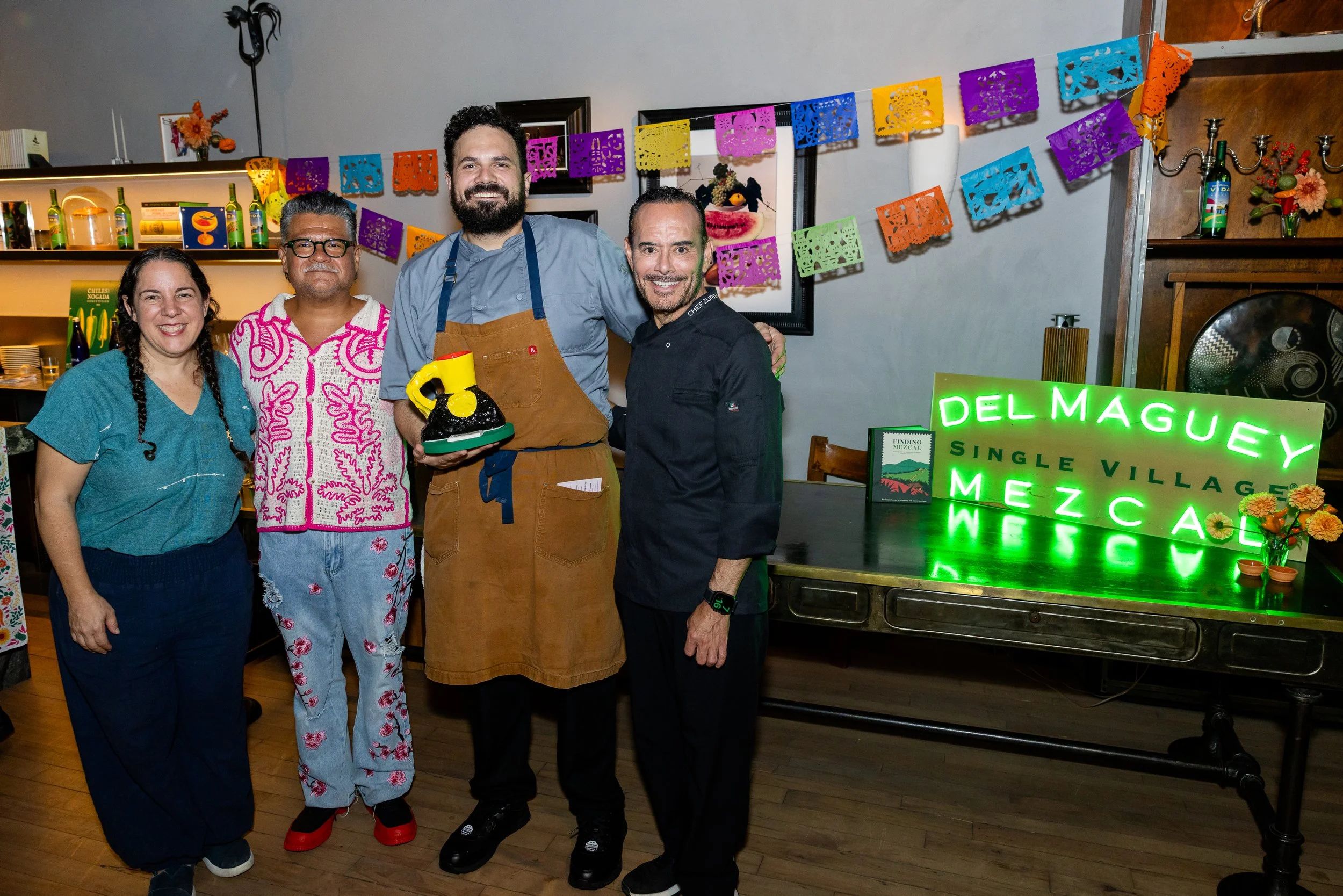
Soho, Manhattan
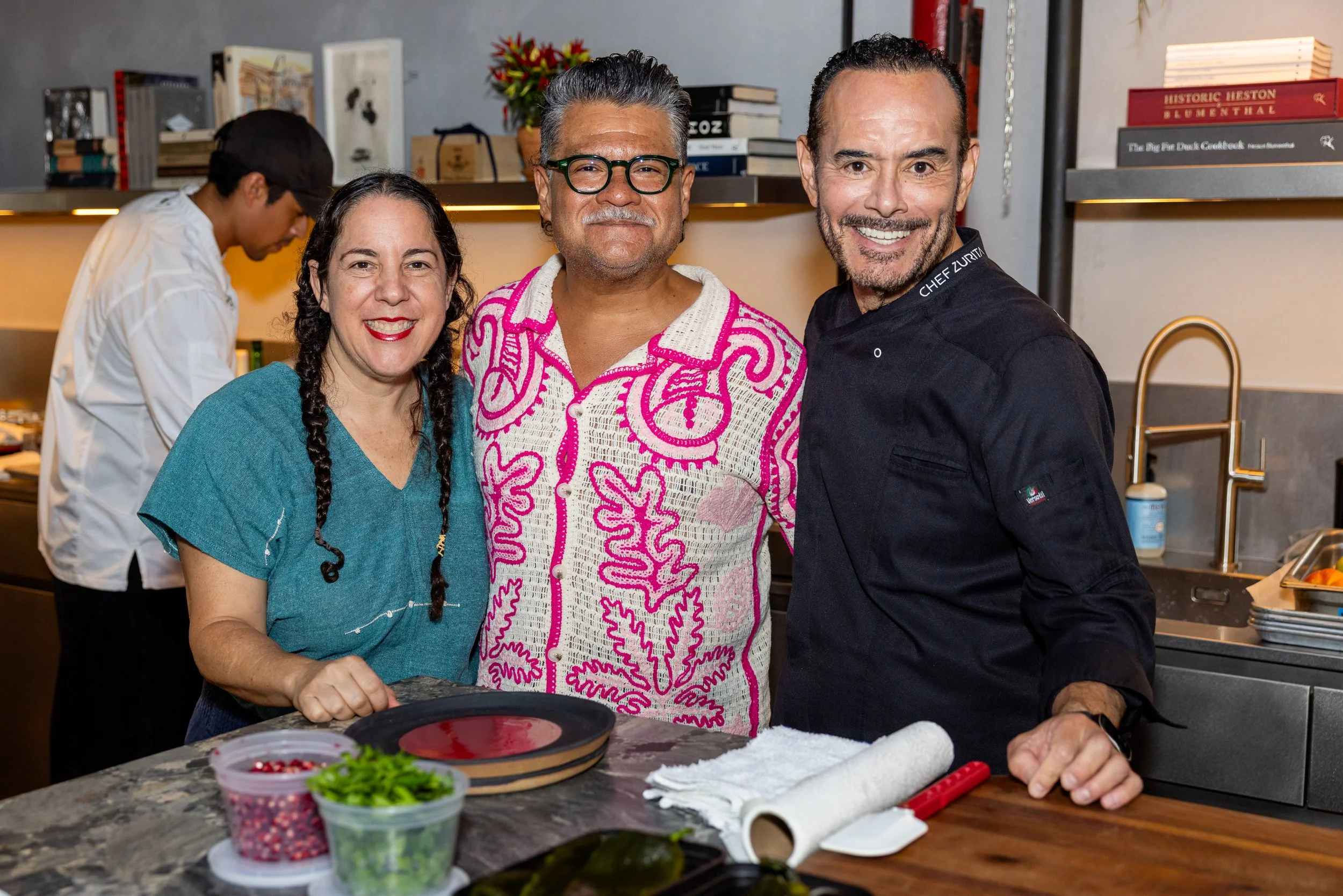
We’ve come to realize Chiles en Nogada is the diva of Mexican cuisine: it only shows up for a few weeks a year, it demands three days of your life, and it expects your walnuts, pomegranates, and poblanos to be available within the same time frame. And we wouldn’t have it any other way. When we first sat down with Fany Gerson, the Mexico City-born pastry chef back in 2023, she was busy proving that a doughnut can be a canvas. This fall, she turned her attention to a different kind of masterpiece, one she makes 60 to 100 of every year for a feast with close friends (her 8-year-old son loves the tradition, even if he hasn’t come around to the dish yet).
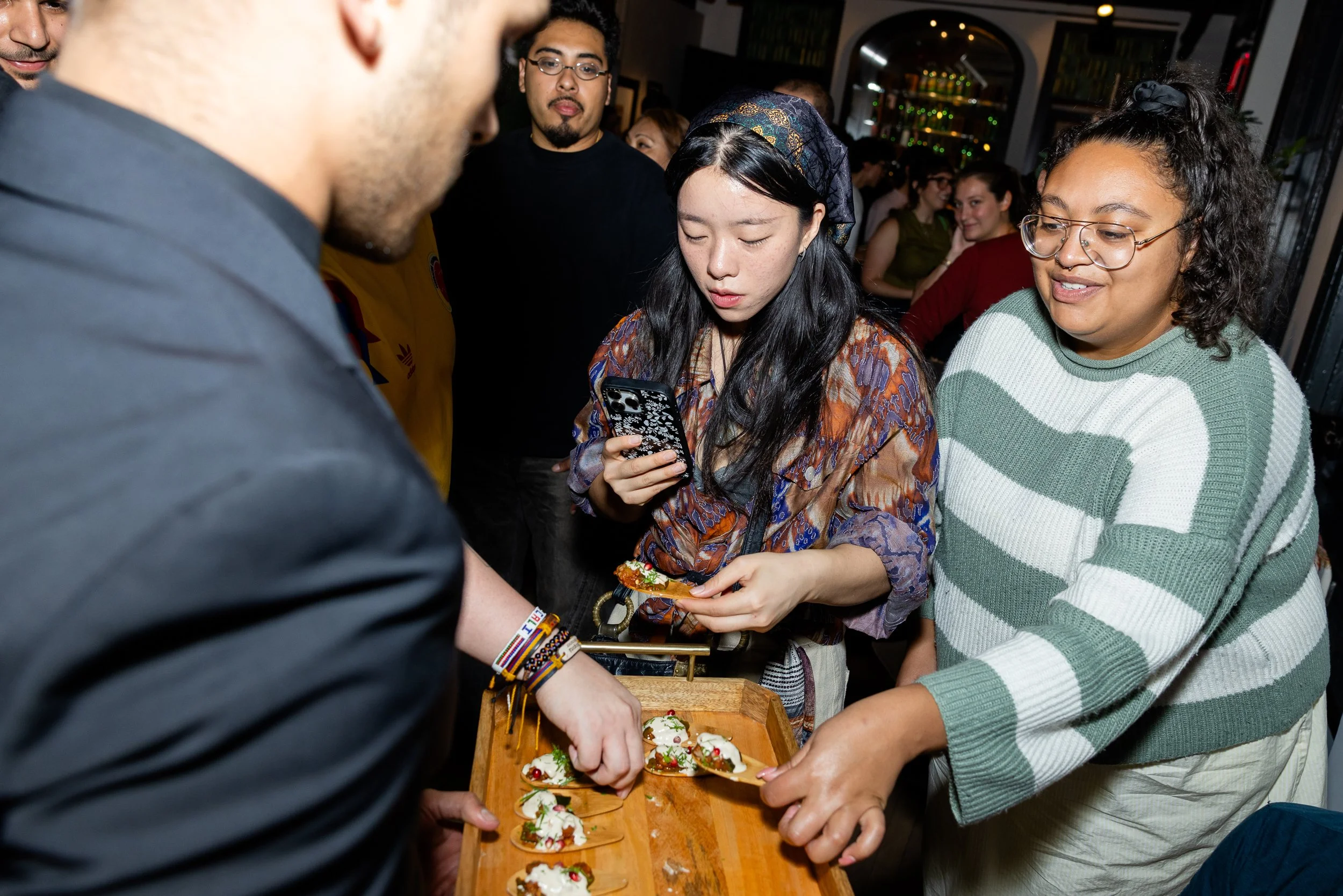
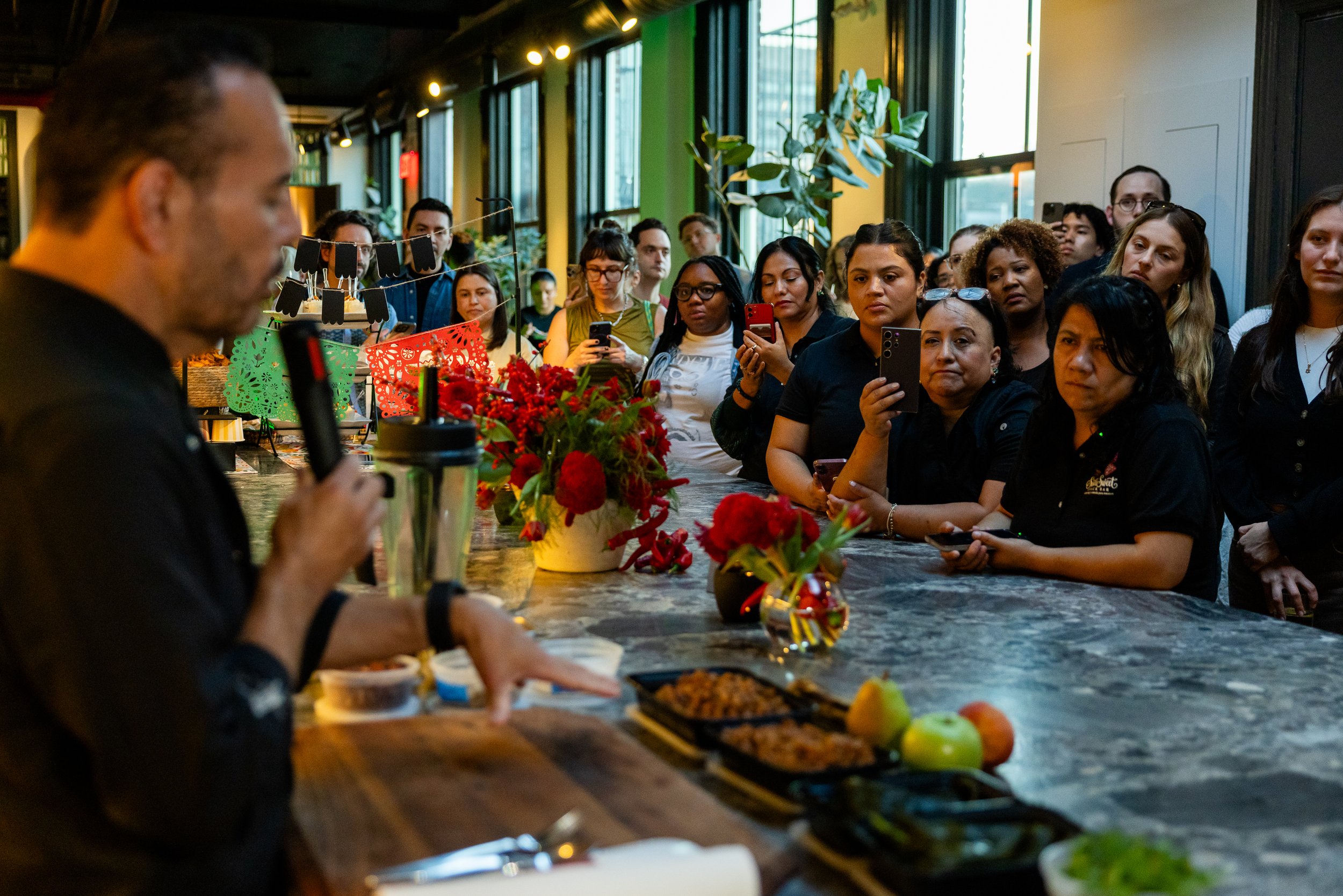
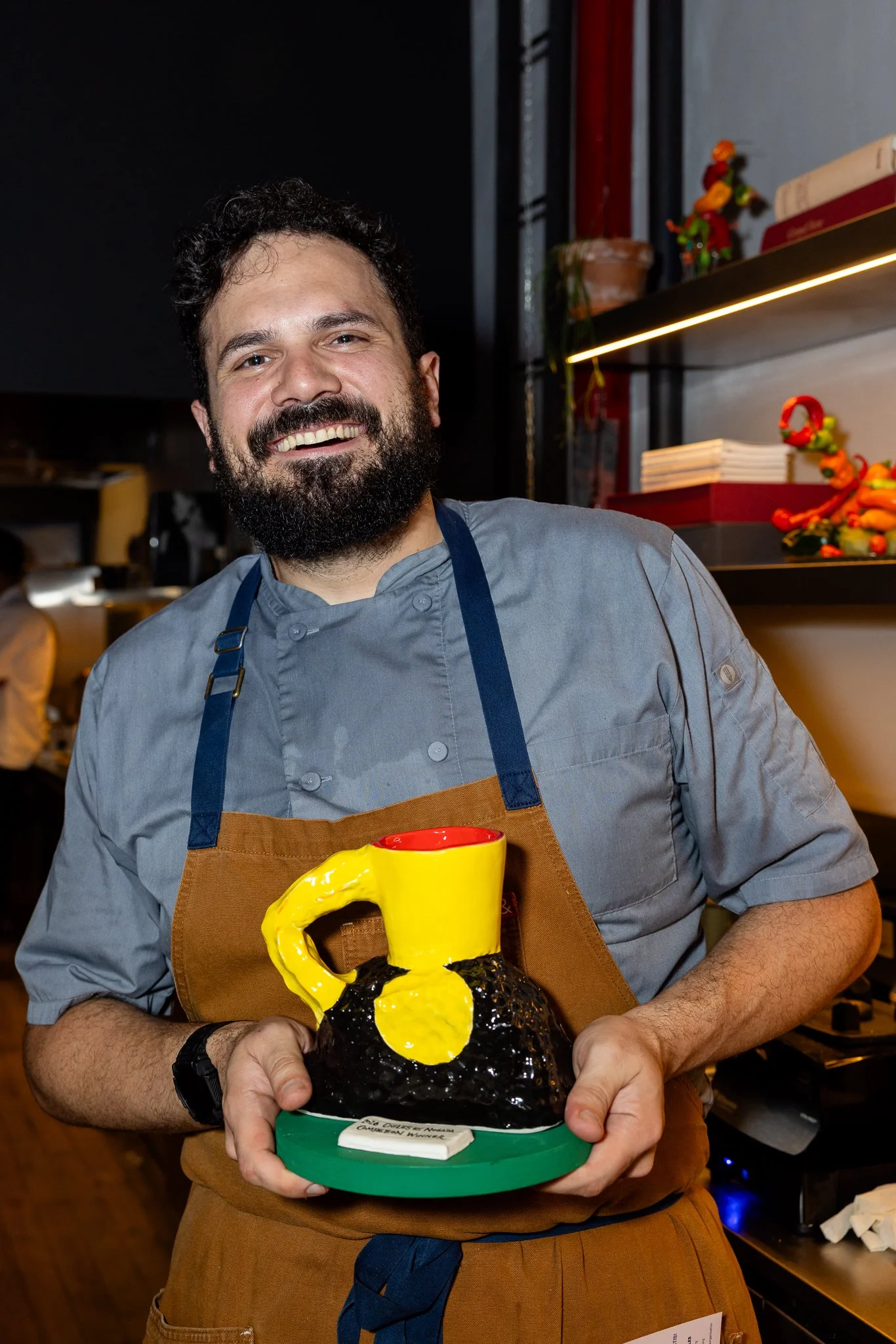
Earlier this month, Gerson joined fellow judges Rick Martinez and Ricardo Muñoz Zurita to taste the creative takes of rising-star chefs at Mixteca’s Chiles en Nogada Competition. Before the night began, we caught up with her to talk scarcity, tradition, and what it takes to earn a second bite.
Full Name, Age, and Where are you from?
I’m Fany Gerson, I’m 50 years old & I was born and raised in Mexico City.
You built your career in New York around Mexican sweets. When you started La Newyorkina, what did you want people here to understand about Mexican desserts that they weren’t getting?
I wanted people to understand that Mexican sweets are so much more than what they might already know as well as introducing many to the wonderful world of Mexican sweets. There’s an incredible diversity of flavors, textures, ingredients, and traditions, and so much regionality. I wanted to share the sweetness of Mexico, but also the stories, memories, and culture behind it.
When I started La Newyorkina, I wanted to introduce people to paletas made with real fruit, flavors like tamarind and hibiscus, and the kind of treats I grew up with. I also wanted Mexicans living here to have a little taste of home. As an immigrant, there’s something really special about being able to share a piece of where you come from with other people. It makes me incredibly proud.
Fan-Fan Doughnuts earned a James Beard semifinalist nod for Outstanding Bakery. How do you decide when to honor a tradition and when to play with it, especially when your customers may have little context for the originals?
I love taking flavors and ideas that are meaningful to me and finding new ways to express them. At Fan-Fan, we're inspired by the American doughnut, French pastry techniques, Mexican flavors, and me the doughnuts are a canvass to explore and celebrate other cultures, people and traditions with the same philosophy of everything I do. All natural, personal, intentional I don't feel like those influences have to compete with one another.
I also don't think you need to give people a history lesson every time they eat something. Sometimes a flavor makes someone curious, and that curiosity can be the beginning of a connection. If someone tries something we make and wants to learn more about where a flavor comes from, that's wonderful. And if they simply love eating it, that's wonderful too.
What inspired you to get into this industry?
Food has always been a way for me to connect with people, with my culture, and with my memories. I grew up in Mexico City, where food is such an important part of everyday life. It brings people together, and it carries so much history and emotion. I have also always been very creative but when I started out having a career in the Culinary arts wasn’t;t even in my radar but once I knew that it could be, I knew I wanted to be part of it. I love connecting with people, being creative and getting to do something that makes people happy.
I came to New York and found a way to build a career around the things I love: Mexican food, pastry, writing, and sharing stories. I didn't necessarily set out with a grand plan to build businesses around Mexican sweets. I followed my curiosity and my passion, and one thing led to another.
Being an immigrant and building a business here has certainly come with challenges, but it's also given me the opportunity to create something of my own while staying connected to where I come from. That's something I'm very proud of. Food has allowed me to build a bridge between Mexico and New York, and I feel very fortunate that I get to do that for a living.
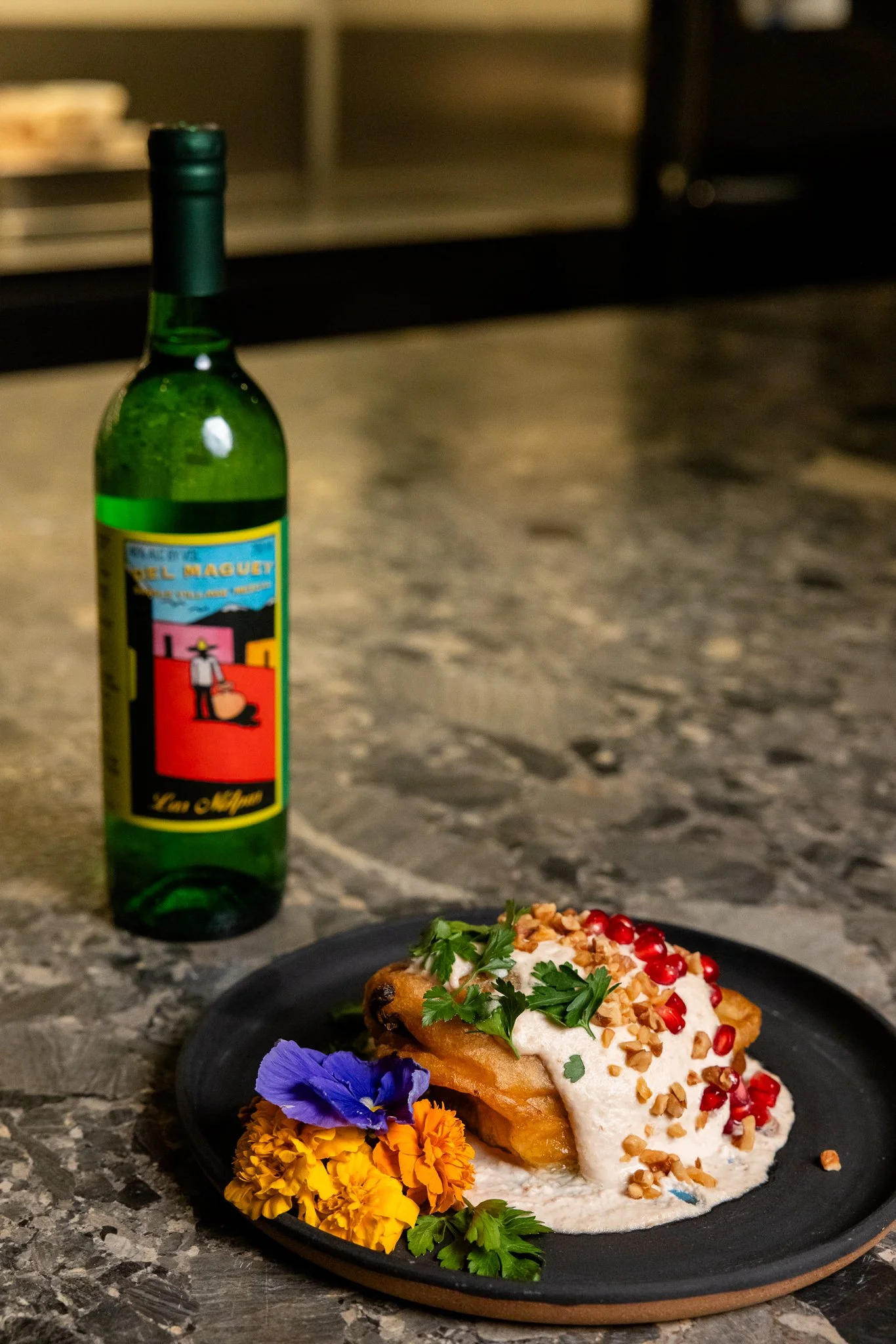
Chiles en nogada only exists for a few weeks a year, when walnuts, pomegranates, and poblanos all line up. What does it mean for a dish to be defined by scarcity and timing, and does that feel increasingly rare in how we eat now?
I love that chiles en nogada asks you to wait. We live in a world where we expect to have everything available all the time, but this dish reminds us that food comes from the land, from seasons, and from a particular moment in time.
There is something beautiful about knowing you only have a few weeks to enjoy something. It makes you pay attention, and it makes the experience more meaningful. The ingredients are not interchangeable; the quality of the walnuts, the sweetness of the pomegranate, and the freshness of the chiles all matter. I actually do a chiles en nogada part at my house every year and make a feast for my close Mexican friends and do between 60-100 chiles every time! Even though my son who is 8 isn;t a fan yet, he loves the tradition around it and that in itself is so meaningful. I love the ritual of making it and takes 3 days to complete with all the different steps.
I also think seasonality connects us to the people who came before us. These dishes were created around what was available, and generations of cooks learned to work with those ingredients. I hope we don't lose that relationship with food. Not everything needs to be available all year long. Sometimes waiting is part of the joy.
As a judge at Mixteca’s Chiles en Nogada Competition, what are you looking for when you taste a dish this storied, and how do you tell a thoughtful reinterpretation from a departure that loses the plot?
First, I'm looking for deliciousness. That might sound obvious, but a dish can have a beautiful story and still needs to taste wonderful.
With chiles en nogada, I look for balance: the chile, the filling, the nogada, and the pomegranate all need to work together or their interpretation I want to taste the ingredients, and I want to feel that the person making it understands the dish and has put thought and care into every element.
I also appreciate that every family has its own version. There isn't just one recipe that represents all of Mexico, and I think that's part of the beauty of our food. I'm open to reinterpretations, but I want them to come from a place of understanding and a personal point of view. To me, there's a difference between taking creative liberties because you understand a dish deeply and changing things simply for the sake of being different.
Ultimately, I want to taste the cook's intention, their respect for the dish, and, above all, something that makes me want another bite.
Chiles en nogada is often tied to the story of Mexican independence, and you’ve said food is also about memory and family. What does the dish mean to you personally, and what would you hope a young chef carries forward from it?
For me, chiles en nogada represents so much of what I love about Mexican food: the history, the complexity, the symbolism, and the way a dish can hold so many different stories. It's a dish that asks a lot of the person making it, and that care is something you can taste.I think food is one of the most powerful ways we carry our memories. A flavor can take you back to a person, a place, or a moment in your life in an instant. As someone who lives outside the country where I grew up, that connection feels especially important. Food keeps me connected to Mexico, even as my life and work continue to evolve here in New York.
What I would hope a young chef carries forward is curiosity and respect. Learn the history, ask questions, understand the ingredients, and appreciate the people who have kept these traditions alive. But don't be afraid to find your own voice, either. Tradition isn't something we preserve by leaving it untouched forever. We preserve it by understanding it, cooking it, sharing it, and giving the next generation a reason to care about it.
Finally, how do you relax outside of work and the food scene?
Honestly, this is a hard question because food and work are so intertwined in my life! But I love spending time with my family, my husband and son and doing things that take me outside my usual routine. I love traveling and discovering places through their culture, art, and everyday life. And also love spending time with friends who are our NY family.
I'm curious about so many things beyond food, including art, design, books, and the stories of people and places. I also appreciate the simple moments when I can slow down and just be with my family without thinking about the next project or what needs to happen at work. We try to take advantage of the city as much as we can - going to museums, to a concert, discover something new. We love going to queens to discover new places to eat and get a taste of different cultures in many ways.
Being a business owner means your mind is often running constantly and in many different directions, so I'm learning that relaxing sometimes means allowing myself to be present and not always thinking about what's next. It’s a work in progress…